What Recovery Looks Like After Shockwave Therapy
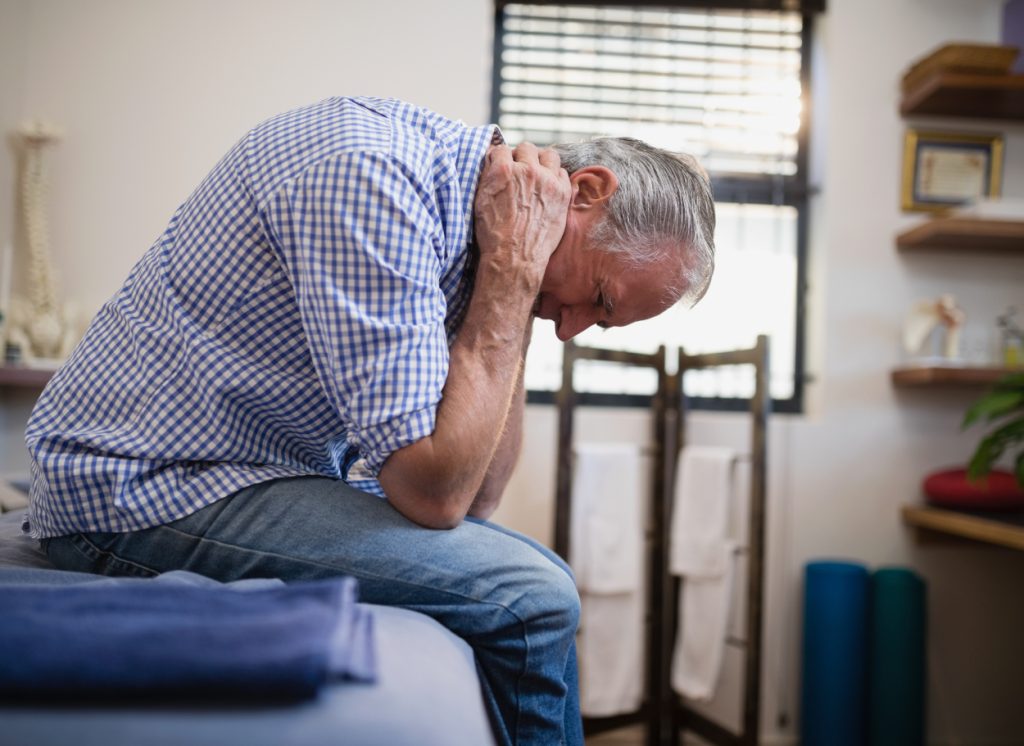
Shockwave therapy tends to get described by what happens in the treatment room. The machine, the clicking sound, the pulses, the brief discomfort, the promise of improved healing in stubborn tissue. What people usually want to know, though, starts after the session ends. They want to know what it feels like to walk out, what the next few days are like, whether soreness is normal, when they can exercise again, and how long it takes before the treatment begins to feel worth it.
Recovery after Shockwave Therapy is usually straightforward, but it is not identical for everyone. The body’s response depends on the condition being treated, the intensity of the session, how irritated the tissue was before treatment, and what you do in the https://messiahtxaw633.talesignal.com/posts/how-shockwave-therapy-may-support-faster-tissue-regeneration days that follow. A runner with Achilles tendinopathy can have a very different recovery experience from someone being treated for plantar fasciitis or calcific shoulder pain. That variation matters, because patients often worry when their recovery does not match a friend’s story or an online testimonial.
The broad pattern is still predictable. Most people have a short period of local soreness, some temporary sensitivity, and a gradual improvement rather than an overnight change. That last point deserves emphasis. Shockwave therapy is not usually a quick numbing intervention. It is meant to stimulate a biological response in tissue that has failed to heal well on its own. Because of that, recovery is less about “bouncing back” from a procedure and more about moving through a controlled period of irritation toward tissue remodeling and functional improvement.
What the first 24 hours usually feel like
For many patients, the treated area feels worked on rather than injured. There may be aching, a bruised sensation, warmth, or tenderness to touch. If the treatment targeted a very focal pain point, that spot can feel sharper for several hours afterward. Some describe it as similar to deep tissue work, except more specific and sometimes more intense.
The discomfort is often most noticeable later the same day rather than immediately after the session. Adrenaline and movement can mask it at first. Then, after sitting in the car, going back to a desk, or taking off a shoe at home, the treated area starts to announce itself. This is common and usually not a sign that anything went wrong.
Visible changes vary. Some people develop mild redness. A few notice slight swelling. Bruising is possible but not routine. The likelihood tends to be higher in areas with less soft tissue coverage or in people who bruise easily in general. If a clinician treated the plantar fascia, for example, the sole of the foot may feel tender when first standing after rest. If the elbow was treated, gripping a coffee mug or turning a doorknob can briefly remind you that the tissue was stimulated.
One practical point that patients appreciate hearing in advance is that evening stiffness is common. If the tissue was already irritable before treatment, it can tighten up a bit afterward. That does not automatically mean the therapy aggravated the condition in a harmful way. It often means the tissue has had a mechanical stimulus and is reacting.
Why soreness can be part of a normal response
Shockwave therapy is typically used for chronic tendon and fascia problems that have become biologically sluggish. The tissue is painful, but it may not be inflamed in the classic short-term sense. The aim of treatment is to provoke a healing response in tissue that has stalled. That can mean a temporary increase in symptoms before improvement shows up.
This is one of the most important expectations to set. People often assume the right treatment should make them feel better right away. Sometimes it does, especially when pain sensitivity drops quickly or when muscle guarding eases. But just as often, the first sign that the body is responding is temporary soreness. That soreness is part of the trade-off. The tissue gets a nudge, then it has to process and adapt.
In practice, the patients who do best are usually the ones who understand that a small symptom flare is not a failure. They avoid the two common mistakes. The first is panicking and stopping all movement for days. The second is feeling pretty good right after treatment and going straight back to sprinting, heavy lifting, or a long hike. Both reactions can interfere with the recovery window.
The first week, what tends to change
By the second or third day, many people notice one of two patterns. Either the area is settling down and feels a bit looser, or it remains sore but the soreness is becoming less sharp and more diffuse. Morning symptoms may still be present, especially with plantar fasciitis and Achilles problems, but they are often easier to walk through after a few steps. With shoulder treatment, end-range pain may still be there, though everyday motion such as dressing or reaching to a shelf can start to feel less guarded.
It is also common for pain to feel inconsistent during the first week. A patient may say, “Yesterday it felt better, today it is cranky again.” That kind of fluctuation is typical in tendon recovery. Healing is not linear, and symptom tracking day by day can make progress look worse than it is. Week by week is usually a better frame.
During this phase, people often ask whether they should rest completely. Usually, no. Relative rest is more appropriate than total inactivity. Tissue generally benefits from sensible loading, not from being ignored. That means keeping normal daily movement, reducing activities that provoke significant pain, and following any rehab plan given alongside the treatment. Shockwave therapy works best when it is part of a broader strategy, not when it is expected to carry the entire recovery on its own.
What “relative rest” actually means
Relative rest can sound vague, so it helps to make it concrete. It does not mean bed rest or avoiding every uncomfortable sensation. It means reducing load enough that the treated tissue is not constantly re-irritated while still keeping the body moving and circulation active.
For someone treated for insertional Achilles pain, relative rest might mean walking shorter distances for two or three days, skipping hill repeats, and avoiding explosive calf work, while still doing gentle ankle mobility and controlled rehab exercises if those were prescribed. For plantar fasciitis, it may mean wearing supportive shoes indoors, limiting long periods barefoot on hard floors, and postponing impact exercise for a few days. For lateral elbow pain, it often means reducing gripping strain, modifying lifting technique, and avoiding repetitive wrist extension under load.
This is where judgment matters. There is a difference between therapeutic discomfort and a clear setback. Mild soreness that settles within a day is often acceptable. Sharp pain that escalates as you continue the activity, changes your gait, or lingers for days usually means the load was too high.
The role of exercise after Shockwave Therapy
A common misconception is that recovery from Shockwave Therapy is passive. Get the treatment, wait, and healing happens. In reality, most chronic tendon problems respond best when shockwave is paired with appropriately dosed exercise. The treatment may help reset the tissue environment, but strength and load tolerance still need to be rebuilt.
That does not mean you start hard rehab the same day. Timing matters. Many clinicians recommend a short period of reduced loading right after a session, followed by a progressive return to guided exercise. The exact timeline varies with the diagnosis and the treating professional’s approach, but the principle stays the same. The tissue needs enough calm to absorb the treatment and enough mechanical challenge to remodel well afterward.
An experienced runner once put it plainly after a course of treatment for proximal hamstring pain: the shockwave sessions helped, but what made the result stick was respecting the loading plan. On weeks when he got impatient and tested sprint speed too early, symptoms bounced. When he stayed with controlled strength work and gradual pace progression, the trend improved.
That pattern shows up often. Shockwave can open the door. Rehab is what teaches the tissue how to stay better under real demand.
What people can safely do after a session
Most aftercare instructions are simple, though exact guidance can differ by body part and provider. The goal is to support recovery without overmedicalizing it.
- Keep the area moving gently through normal daily activity unless your clinician gave different instructions.
- Avoid high-impact or high-strain exercise involving the treated tissue for roughly 48 hours, sometimes longer depending on the condition.
- Use supportive footwear, braces, or orthotics if those were already part of your plan.
- If the area feels sore, reduce load for a day or two rather than pushing through hard pain.
- Follow the rehab program that accompanies the treatment, because the combination usually matters more than the session alone.
The item many patients ask about most is icing. Some clinicians discourage heavy anti-inflammatory strategies immediately after treatment because the therapy is meant to stimulate a biological response. Others are comfortable with limited symptom relief if soreness is interfering with sleep or function. This is one reason it is worth following the instructions of the practitioner who treated you rather than relying on generic advice from a forum post. The same applies to anti-inflammatory medication. There is no universal rule that fits every case, but there is usually a rationale behind the recommendation you are given.
When improvement usually starts
This is where expectations need to be realistic. Some patients feel a noticeable change after one session. Others feel little at first and improve after the second or third. A meaningful response often unfolds over several weeks rather than several days.
For chronic plantar fasciitis, people may first notice that the sharp morning pain is less intense, or that they can walk farther before the heel becomes limiting. With Achilles tendinopathy, the earliest gains are often reduced startup stiffness and better tolerance for steady walking. In shoulder conditions, sleep can improve before strength does. These are not glamorous milestones, but they are clinically useful because they show the tissue is becoming less reactive.
The other side of the coin is that some individuals plateau or only partly respond. That does not automatically mean the treatment failed. It may mean the diagnosis needs a second look, the loading plan needs adjustment, the condition is more advanced, or another contributing factor is being missed. Recovery always has to be interpreted in context.
What can slow recovery down
Several things can make recovery after Shockwave Therapy feel disappointing even when the treatment itself was appropriate. One is unrealistic activity too soon. Another is expecting pain relief while keeping the exact same mechanical overload that caused the problem. A third is inconsistent follow-through, especially with strengthening, footwear changes, or training modification.
Body region matters too. A sedentary office worker with chronic heel pain may improve quickly once walking load and footwear are addressed. A competitive athlete trying to stay in full training while treating patellar tendon pain faces a more complicated recovery. The tissue is being asked to heal while still performing.
Age and general health can influence pace, but not always in the way people expect. Plenty of older adults recover well because they are consistent and measured. Plenty of younger adults stall because they repeatedly test the tissue too aggressively. Smoking, poor sleep, uncontrolled metabolic conditions, and persistently high stress can all affect how tissue behaves, though the relationship is rarely neat or dramatic in any one person.
Another underappreciated factor is diagnostic precision. Shockwave therapy can be very useful for the right problem and far less useful for the wrong one. Chronic tendinopathy is not the same as a tendon tear. Plantar fasciitis is not the same as nerve-related heel pain. Recovery can feel “slow” simply because the target was not quite right.
The emotional side of recovery
People do not just recover physically. They recover emotionally from long-standing pain, and that process can be messy. Many patients coming to Shockwave Therapy have already tried stretching, braces, insoles, massage, injections, and rest. They are hopeful, but also wary. That emotional background shapes how every post-treatment sensation gets interpreted.
A mild ache after the first session can trigger disproportionate worry if someone has spent months or years chasing relief. On the other hand, a tiny early improvement can create pressure to hurry back into normal training before the tissue is ready. Both responses are understandable. Neither is especially helpful.
It helps to watch for functional markers rather than obsessing over pain alone. Can you get out of bed with less limping? Can you carry groceries without that familiar elbow catch? Can you tolerate a longer walk before symptoms appear? These are often better signs of progress than asking whether the pain has vanished completely.
What recovery looks like for common conditions
Plantar fasciitis often produces the most recognizable pattern. The heel may be sore after treatment, especially during first steps after sitting. Over the following weeks, many patients report that the intense morning stab softens into a dull ache, then becomes less frequent. Walking tolerance improves before the foot feels fully normal. Hard floors and barefoot standing are often the last irritants to settle.
Achilles tendinopathy can be a little trickier. The tendon may feel thick, touchy, and stiff after treatment. The soreness can sit there for a couple of days and then slowly quiet. Runners often notice that easy flat walking improves before calf loading or faster running does. The temptation is to test the tendon too early because basic movement feels better. That is where setbacks happen.
Lateral elbow pain usually shows up in practical tasks. Opening jars, typing posture, carrying a bag, using gym equipment. Recovery is often judged by whether gripping becomes less provocative and whether the elbow feels less “lit up” by routine use. Because hand and wrist activity are hard to avoid, recovery can feel uneven unless load is intentionally modified.
Shoulder calcific tendinopathy or chronic rotator cuff-related pain can respond well, but not always quietly. Some people feel post-treatment tenderness around the upper arm and shoulder for a day or two. Sleep can be temporarily more irritable. Then, gradually, range improves, nighttime pain drops, and reaching overhead becomes less guarded. The sequence matters. Less night pain before stronger lifting is a good sign, even if the shoulder is not yet fully capable.
Signs you should check back with your clinician
Normal recovery includes soreness and fluctuation. It does not include every possible symptom. There are situations where follow-up makes sense sooner rather than later.
- Pain is severe, escalating, or very different from what your provider told you to expect.
- Swelling, redness, or warmth is substantial rather than mild and local.
- You cannot bear weight or use the limb in a way that was possible before treatment.
- Symptoms are still sharply worse after several days with no sign of settling.
- You are unsure whether your exercise or return-to-sport plan is helping or harming the area.
Most of the time, these check-ins lead to reassurance or a load adjustment, not an emergency. Still, recovery goes more smoothly when patients ask questions early rather than guessing for a week.
The timeline people should actually plan for
A practical way to think about recovery is in layers. The immediate soreness usually sits in the first few days. The early tissue response and symptom fluctuation often occupy the first one to two weeks. Meaningful functional change tends to emerge over several weeks, often across a series of sessions if that was the treatment plan. Full recovery, in the sense of returning confidently to prior loads, can take longer and depends at least as much on the underlying condition and rehab process as on the shockwave itself.
That answer can feel frustratingly modest, but it is honest. Chronic tendon and fascia problems are rarely fixed in a weekend. What matters is trajectory. Is the tissue gradually becoming less reactive, more load-tolerant, and more predictable? If yes, recovery is usually on the right track, even if symptoms have not disappeared.
The quiet markers of a good recovery
The best recoveries after Shockwave Therapy are often a little boring. There is no dramatic before-and-after moment. Instead, the person realizes one morning that they walked downstairs without thinking about their heel. Or they finish a workday and notice the elbow never flared. Or they return to a manageable training block and find the tendon settles by the next day instead of throbbing for three.
Those details matter because they reflect real tissue tolerance in real life. They are also the kind of progress that people miss if they expect recovery to be loud. Most musculoskeletal improvement arrives more quietly than patients imagine.
A good recovery usually has three features. Symptoms settle after temporary post-treatment soreness. Activity capacity expands in a measurable way. The person understands how to load the area without repeatedly stirring it up. When those pieces line up, Shockwave Therapy can be a valuable part of care.
What recovery looks like, then, is not just a reduction in pain. It is a steadier, more resilient return to ordinary movement, sport, or work. It is fewer false starts. Better mornings. More trust in the body. For the right patient, treated for the right condition, with sensible follow-through, that is often where the real payoff shows up.
Injury Recovery Center
Address: 730 W Hampden Ave Ste. 250, Englewood, CO 80110
Phone number: +17203289033
FAQ About Shockwave Therapy
What does shockwave therapy actually do?
Shockwave therapy delivers high-energy acoustic sound waves through the skin to an injured area. This process "wakes up" stubborn, chronic soft-tissue injuries by increasing local blood flow, breaking down calcifications, and triggering the body's natural cellular repair and tissue regeneration mechanisms.
What are the drawbacks of shockwave therapy?
Shockwave therapy can cause temporary pain, skin redness, bruising, swelling, or numbness at the treatment site. It may require multiple sessions, can be costly out-of-pocket because insurance often does not cover it, and is unsafe for pregnant individuals or those with blood-clotting disorders.
Does shock wave therapy really work?
Yes, shock wave therapy (extracorporeal shockwave therapy, or ESWT) works well for specific chronic soft-tissue and bone conditions, showing success rates around 60% to 80% for stubborn issues like plantar fasciitis and tennis elbow when other conservative treatments fail.